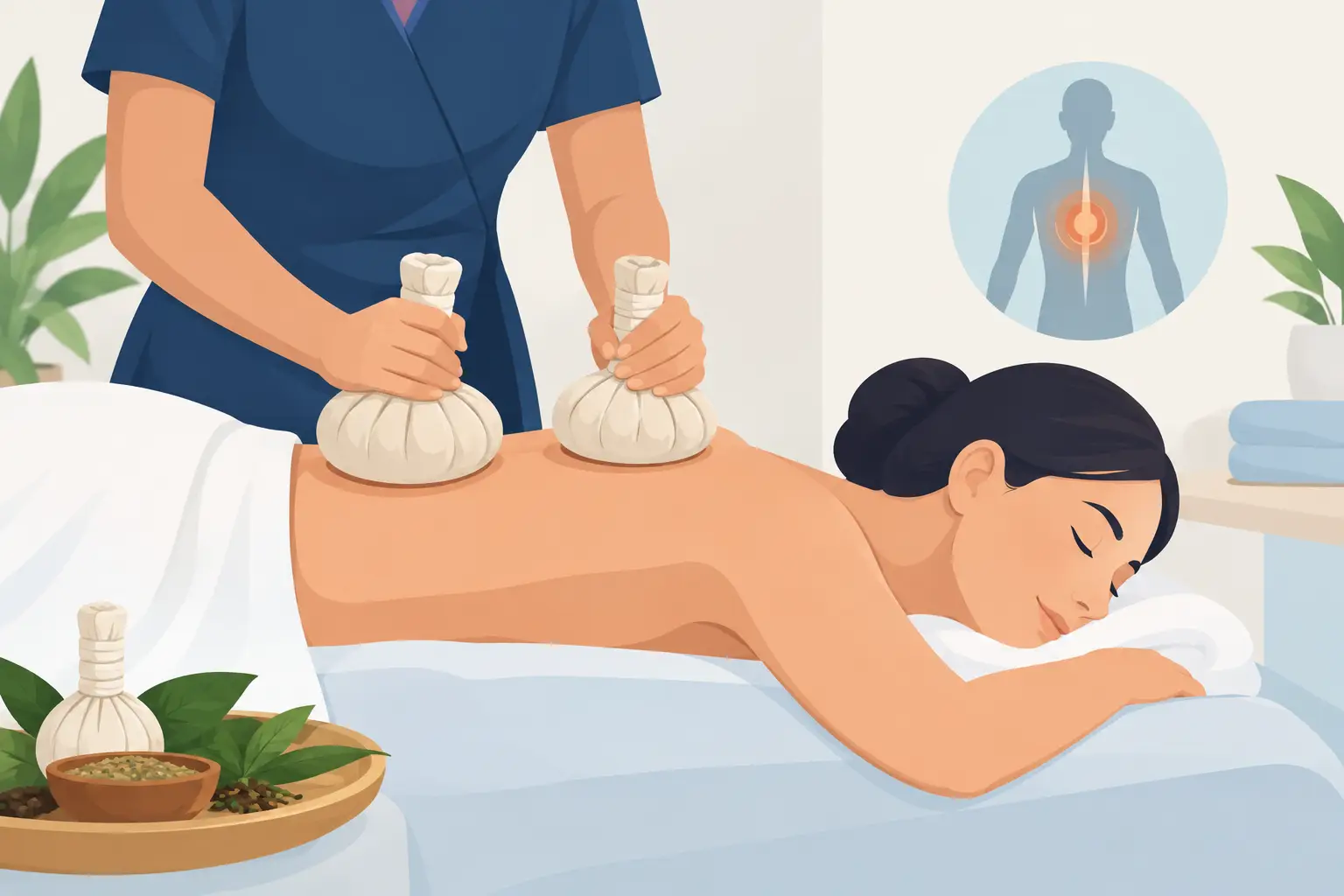
A painful shoulder that resists movement, knees that feel stiff after sitting, or a back that tightens by day’s end can gradually shrink a person’s world. Kizhi treatment for pain is a traditional Ayurvedic therapy designed to bring targeted warmth, herbal support, and therapeutic touch to areas affected by stiffness, muscular discomfort, and joint-related pain. It is not a routine spa massage. When prescribed after proper assessment, Kizhi is part of a structured Ayurvedic approach to restoring comfort, mobility, and balance.
At Pranah Ayurvedic Medical Center, treatment begins with understanding the individual behind the symptom. An Ayurvedic doctor considers the nature of the pain, daily routines, digestion, sleep, stress, constitution or Prakriti, and the qualities of imbalance that may be contributing to discomfort. This allows Kizhi to be used thoughtfully, alongside appropriate oils, therapies, dietary guidance, and lifestyle correction where needed.
What Is Kizhi Treatment for Pain?
Kizhi, also called Pinda Sweda, is a form of Ayurvedic fomentation therapy. “Kizhi” refers to a small cloth pouch filled with therapeutic ingredients, usually medicinal herbs and, depending on the protocol, materials such as rice, lemon, or herbal powders. The pouch is warmed in medicated oil or another prescribed medium, then gently applied and massaged over specific areas of the body.
The experience combines heat, pressure, and the properties of carefully selected herbs. The therapist rhythmically presses, pats, and moves the warm bolus across the affected muscles and joints, renewing its warmth throughout the session. The aim is to encourage circulation, soften tight tissues, reduce the sense of heaviness or rigidity, and support the body’s natural healing response.
In Ayurvedic practice, pain and stiffness are often associated with an aggravated Vata dosha, especially when discomfort feels dry, cold, variable, sharp, or worse after exertion. Kizhi’s warmth and unctuous herbal oils can be especially supportive in these patterns. Yet not every painful condition should be treated with the same heat, pressure, or herbal blend. That distinction is why physician guidance matters.
When Kizhi May Be Recommended
Kizhi may be included in an individualized care plan for chronic neck and shoulder tension, lower-back discomfort, muscular soreness, joint stiffness, osteoarthritis-related discomfort, sports-related overuse, and reduced flexibility. Many working professionals find it helpful when long hours at a desk, driving, travel, and stress have left the body feeling compressed and fatigued.
It can also be considered for discomfort that accompanies certain degenerative or inflammatory joint concerns, but the timing and method must be appropriate. A hot, visibly swollen, acutely inflamed joint may need a different approach before warming therapies are introduced. Similarly, severe new pain, numbness, unexplained weakness, fever, recent injury, or pain following a fall should first be evaluated medically.
Kizhi is not presented as a substitute for emergency care, surgery when clinically indicated, or prescribed medical management. Its value lies in its role as a non-invasive, individualized Ayurvedic therapy that can complement a broader plan for long-term comfort and functional movement.
The Clinical Difference Is in the Assessment
A generic warm compress can feel pleasant. A medically guided Kizhi protocol goes further by matching the therapy to the person’s condition. The doctor may determine whether the concern is predominantly muscular, joint-related, stress-driven, associated with poor circulation, or connected to an underlying Vata imbalance. They also consider whether the body is depleted, congested, overheated, or retaining fluid.
This assessment influences the choice of herbal ingredients, medicated oil, temperature, pressure, treatment area, and number of sessions. For example, a deeply tight lower back may require a different preparation and sequence than knees affected by long-standing stiffness. In some cases, Kizhi follows Abhyangam, the therapeutic application of herbal oil, so the tissues are prepared before the warm boluses are used. In others, localized Vasti therapies or internal Ayurvedic support may be recommended as part of the protocol.
The goal is not simply temporary relief after one session. Ayurveda looks at why discomfort keeps returning. Posture, workload, sleep, digestion, old injuries, physical inactivity, and emotional strain can all influence pain patterns. Addressing these factors gives treatment a stronger foundation than symptom-focused care alone.
What Happens During a Kizhi Session?
A session typically begins with a brief check-in. Your therapist confirms the areas requiring attention and ensures the heat is comfortable. Depending on the treatment plan, warm medicated oil may be applied first to nourish the skin and ease the muscles.
The prepared herbal pouches are then warmed and applied in a controlled sequence. The therapist works methodically over the painful or stiff regions, adjusting the technique to the body’s response. The sensation is deeply warming and rhythmic. Most people describe a gradual softening of tightness, followed by a relaxed, lighter feeling.
Sessions vary in duration based on the prescribed protocol and areas being treated. Afterward, rest and hydration are encouraged. It is usually wise to avoid cold exposure, strenuous exercise, and heavy meals immediately after treatment, as the body benefits from time to settle into the therapeutic warmth.
Some clients notice relief in muscular tightness after the first session. For chronic pain or long-standing stiffness, progress is usually more gradual. A series of sessions, combined with home guidance and other prescribed therapies, often provides a more meaningful opportunity to support sustained improvement.
Benefits Beyond the Painful Area
Pain rarely exists in isolation. Persistent discomfort can disturb sleep, reduce physical activity, increase irritability, and make everyday responsibilities feel heavier. By helping the body relax and move with greater ease, Kizhi may also support a calmer nervous system and a greater sense of well-being.
The herbal warmth can be particularly restorative for people who feel physically drained by demanding schedules. For those who hold stress in the upper back, neck, jaw, or shoulders, the therapy creates a protected period of stillness while addressing local muscular tension. This does not mean every pain concern is caused by stress, but stress can intensify the body’s perception of pain and prolong muscular guarding.
Results depend on the diagnosis, duration of symptoms, underlying condition, activity level, and consistency with the treatment plan. Honest expectations are part of good care. Kizhi may ease stiffness and support mobility, but complex conditions generally require a broader strategy rather than a single therapy.
Supporting Your Results at Home
The days between treatments matter. Your Ayurvedic doctor may suggest gentle mobility exercises, posture adjustments, a warm and nourishing diet, regular sleep timing, or simple self-massage with a recommended oil. These measures are selected to support your specific constitution and condition, not offered as one-size-fits-all advice.
Small changes can be meaningful. A professional who takes brief movement breaks may reduce recurring shoulder tightness. Someone with knee discomfort may benefit from pacing activity rather than alternating between long inactivity and intense exertion. A client with back pain may need to look at workstation height, lifting habits, and sleep position alongside in-clinic care.
If pain is limiting your movement or taking energy away from daily life, a qualified Ayurvedic consultation can clarify whether Kizhi is appropriate for you. With accurate diagnosis, authentic herbal formulations, and skilled therapeutic care, the path toward easier movement can begin with listening closely to what your body has been trying to say.