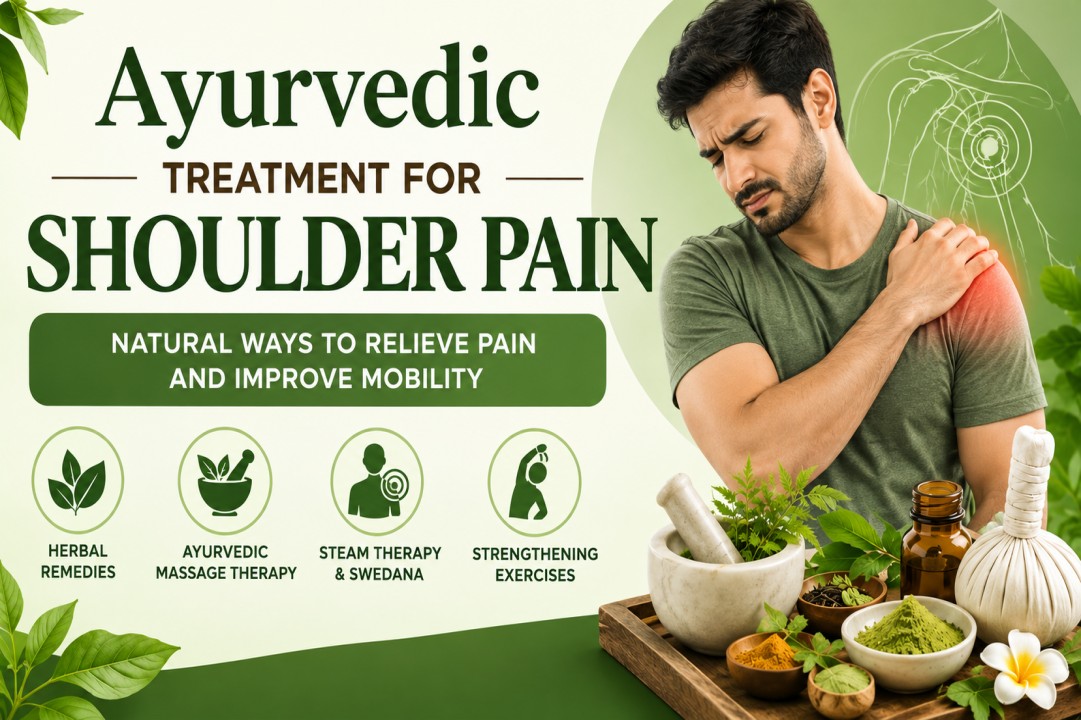
Shoulder pain can make simple daily activities such as lifting your arm, getting dressed, driving, or sleeping uncomfortable. It may develop because of muscle strain, overuse, poor posture, injuries, stiffness, or age-related changes in the shoulder joint.
Ayurveda offers a holistic approach to shoulder pain by focusing on the possible underlying factors, supporting muscle and joint function, and promoting better mobility. At Pranah Ayurvedic Medical Center in Abu Dhabi, Ayurvedic therapies may be recommended based on the individual’s symptoms, health condition, and treatment requirements.
What Causes Shoulder Pain?
Shoulder pain can have several possible causes. Common factors include:
- Muscle strain or overuse
- Sports or work-related injuries
- Poor posture
- Frozen shoulder
- Shoulder stiffness
- Tendon or ligament problems
- Arthritis and age-related joint changes
- Repetitive movements
- Prolonged sitting and improper ergonomics
Persistent or severe shoulder pain should be evaluated by a qualified healthcare professional to determine the underlying cause.
How Does Ayurveda Approach Shoulder Pain?
Ayurveda takes an individualized approach to pain and musculoskeletal problems. Rather than focusing only on the painful area, an Ayurvedic practitioner considers factors such as lifestyle, physical activity, digestion, sleep, and the nature of the symptoms.
The treatment plan may combine Ayurvedic therapies, external applications, herbal preparations, lifestyle recommendations, and therapeutic exercises, depending on the individual’s condition.
The goal is to help reduce discomfort, improve flexibility, and support normal movement and function.
Ayurvedic Therapies That May Help With Shoulder Pain
Depending on the assessment, different Ayurvedic therapies may be considered.
1. Abhyangam – Ayurvedic Oil Massage
Abhyangam is a traditional Ayurvedic oil massage that involves applying warm herbal oils using specific massage techniques.
For some people experiencing muscular tension and stiffness, massage may help promote relaxation and support mobility. The type of oil and technique can be selected according to the individual’s needs.
2. Kizhi Therapy
Kizhi is a traditional Ayurvedic therapy involving herbal pouches that are warmed and applied to specific areas of the body.
It may be used as part of a treatment plan for muscular stiffness and certain musculoskeletal complaints. The therapy is selected based on the individual’s condition and should be performed under professional supervision.
3. Greevavasthi
Greevavasthi is an Ayurvedic therapy in which warm medicated oil is retained over a specific area for a period of time.
Although it is traditionally associated with the neck and upper back region, an Ayurvedic practitioner may consider localized therapies depending on the patient’s symptoms and assessment.
4. Herbal Oil Applications
Certain Ayurvedic herbal oils may be used externally as part of a personalized treatment plan. Warm oil applications can be combined with other therapies to support relaxation and mobility.
5. Therapeutic Exercises and Lifestyle Changes
Ayurvedic management may also include recommendations for gentle movement, posture correction, stretching, appropriate physical activity, rest, and other lifestyle adjustments.
These recommendations can help support shoulder mobility and reduce the strain associated with repetitive movements or poor posture.
Benefits of Ayurvedic Treatment for Shoulder Pain
When appropriately selected for the individual’s condition, Ayurvedic treatment may help support:
- Reduction in shoulder discomfort
- Improved flexibility and mobility
- Relaxation of tense muscles
- Better range of movement
- Management of stiffness
- Overall musculoskeletal wellness
- Improved comfort during daily activities
Results can vary depending on the underlying cause, severity, duration of symptoms, and individual response to treatment.
Who May Consider Ayurvedic Treatment for Shoulder Pain?
Ayurvedic care may be considered by people experiencing shoulder discomfort or stiffness associated with factors such as:
- Long working hours
- Poor posture
- Repetitive movements
- Muscle tension
- General stiffness
- Certain chronic musculoskeletal conditions
However, shoulder pain can sometimes be caused by conditions that require specific medical treatment. Therefore, proper assessment is important before starting any therapy.
When Should You See a Doctor for Shoulder Pain?
Not all shoulder pain should be managed with home remedies or massage. Seek medical attention if you experience:
- Severe or sudden shoulder pain
- Shoulder pain after a significant injury
- Major swelling or deformity
- Inability to move the arm
- Persistent or worsening pain
- Numbness or weakness in the arm
- Chest pain, shortness of breath, or other concerning symptoms
A healthcare professional can help identify the cause and determine the most appropriate treatment.
Why Choose Pranah Ayurvedic Medical Center in Abu Dhabi?
At Pranah Ayurvedic Medical Center, treatment is based on an individualized approach to Ayurvedic healthcare. Experienced practitioners assess the patient’s symptoms and overall condition before recommending appropriate therapies.Depending on the assessment, treatments such as Ayurvedic massage, Kizhi and other traditional therapies may be incorporated into a personalized care plan.
If you are experiencing persistent shoulder discomfort or stiffness, consulting an Ayurvedic practitioner can help you understand whether Ayurvedic therapy is appropriate for your condition.