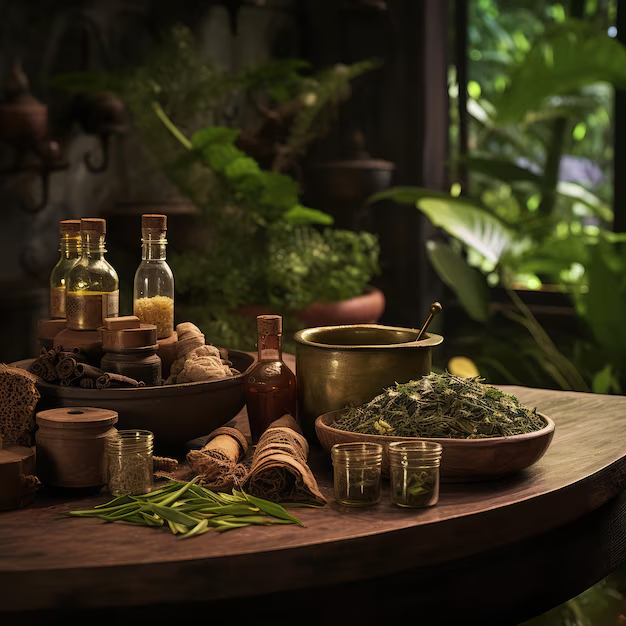
Warm medicated oil flowing steadily over the body is the defining experience of Pizhichil, but the purpose reaches far beyond relaxation. The most meaningful pizhichil therapy benefits come from its careful clinical application: selecting the right herbal oil, regulating the warmth, using therapeutic massage techniques, and adapting the session to the individual’s Ayurvedic constitution and current health concerns.
Often described as an oil bath, Pizhichil is a traditional Kerala Ayurvedic therapy in which warm herbal oils are poured in a continuous stream over the body while trained therapists perform synchronized massage strokes. For people living with persistent stiffness, fatigue, stress, or discomfort linked to demanding routines, it can be a restorative part of a physician-guided Ayurvedic care plan.
What Is Pizhichil Therapy?
The word Pizhichil refers to squeezing or pressing. During treatment, warm herbal oil is gently squeezed or poured over the body in rhythmic streams. Therapists then work the oil into the skin and soft tissues using measured, flowing movements. The treatment usually takes place in a warm, calm setting that helps the body remain comfortable throughout the session.
In Ayurveda, Pizhichil is traditionally valued as a deeply nourishing external therapy. It is often selected when the body shows signs associated with aggravated Vata – such as dryness, tightness, disturbed sleep, restlessness, and certain patterns of joint or muscle discomfort. Yet no two clients should receive precisely the same protocol. The oil blend, pressure, duration, body areas treated, and number of sessions should follow an Ayurvedic doctor’s assessment.
That distinction matters. A relaxing oil massage may feel pleasant, but authentic Pizhichil is not a standardized spa ritual. It is a therapeutic procedure that calls for trained hands, appropriate herbal formulations, and a clear understanding of when the therapy is suitable.
Pizhichil Therapy Benefits for Body and Mind
Pizhichil may support comfort and restoration in several connected ways. Its effects are shaped by a person’s condition, consistency of care, lifestyle, and the broader treatment plan. It should not be viewed as a substitute for necessary medical evaluation or emergency care.
Support for muscle and joint comfort
Warmth and therapeutic oil application can help ease the feeling of muscular tightness and stiffness that often follows long hours at a desk, strenuous activity, travel, or interrupted rest. The slow, sustained massage strokes are designed to relax the body rather than stimulate it aggressively.
For clients managing chronic back discomfort, neck tightness, arthritis-related symptoms, or reduced ease of movement, Pizhichil may be incorporated alongside other Ayurvedic therapies such as localized Vasti or Kizhi. The right combination depends on the source and stage of the concern. Acute inflammation, severe swelling, injury, or unexplained pain requires proper medical assessment before massage-based therapy is considered.
Deep relaxation for stress and sleep disruption
A fast-paced routine can keep the nervous system in a prolonged state of alertness. The consistent warmth, repetitive touch, and quiet treatment environment of Pizhichil can encourage a profound sense of calm. Many people seek it when mental strain is showing up physically as fatigue, body tension, or difficulty winding down at night.
This does not mean Pizhichil treats every cause of insomnia or anxiety. Rather, it may be a supportive practice within a wider plan that includes daily routine correction, diet guidance, breathwork, and, when needed, appropriate medical or mental health support. For stress-related imbalance, consistency often matters more than a single session.
Nourishment for dry, tired-feeling skin
Herbal oils are traditionally chosen to nourish the skin and counter a sense of dryness. The generous application of warm oil can leave the skin feeling softer and more comfortable, particularly in air-conditioned environments and dry weather conditions common in the UAE.
The outcome depends on the oil used and each person’s skin sensitivity. A qualified practitioner should know about allergies, rashes, active skin infections, or dermatological treatments before beginning therapy. More oil is not automatically better – the formulation must be appropriate for the individual.
A supportive approach to circulation and vitality
The warmth and massage involved in Pizhichil can create an immediate feeling of improved bodily ease and renewed energy. In Ayurvedic practice, the therapy is used to support healthy circulation and tissue nourishment. Clients often describe feeling lighter, calmer, and less physically depleted afterward.
These experiences should be understood in context. Pizhichil is not a replacement for movement, adequate hydration, sleep, or treatment for circulatory disease. Its value lies in supporting the body’s restorative processes as part of a realistic, personalized wellness routine.
Rejuvenation during periods of fatigue
When fatigue stems from overwork, irregular routines, inadequate recovery, or chronic tension, the body may benefit from care that is intentionally slowing and nourishing. Pizhichil is traditionally included in rejuvenation-focused Ayurvedic programs because it combines warmth, rest, and herbal oil therapy in one sustained treatment.
However, ongoing exhaustion can have many causes, including anemia, thyroid conditions, sleep disorders, nutritional deficiencies, and depression. A root-cause approach means not assuming that fatigue is simply stress. An Ayurvedic consultation, along with conventional medical evaluation where appropriate, offers a safer path toward meaningful recovery.
Why Personalization Changes the Experience
The same Pizhichil session is not right for every person. Ayurveda considers Prakriti, or an individual’s constitution, along with current imbalances, digestion, age, season, strength, and medical history. Someone with dry, stiff, Vata-dominant symptoms may need a different oil and frequency than someone experiencing heaviness, heat, or acute inflammation.
At Pranah Ayurvedic Medical Center, this assessment-led approach helps ensure that therapy is selected for a clinical reason rather than added as a generic indulgence. An Ayurvedic doctor may recommend Pizhichil on its own or as one part of a structured plan that includes internal herbal support, diet and lifestyle guidance, Panchakarma procedures, or targeted therapies for specific areas of concern.
The number of sessions also varies. One treatment may provide a welcome period of relaxation and comfort. Longer-standing concerns may call for a carefully monitored series of therapies, with adjustments based on the body’s response. Sustainable improvement is often built through regular care and daily habits, not a single appointment.
What to Expect During a Pizhichil Session
A proper session begins before the oil is warmed. The practitioner reviews relevant health information and confirms whether Pizhichil is appropriate that day. You may be asked about pain levels, sleep, digestion, skin concerns, recent illness, medications, and previous reactions to oils or massage.
During treatment, comfortably warm medicated oil is applied repeatedly over the body while therapists use coordinated strokes. The room is kept warm to prevent chilling, and modest draping is maintained. Pressure should be therapeutic but never painful. Speak up immediately if the oil feels too hot, you feel dizzy, uncomfortable, or unwell.
Afterward, clients are usually encouraged to rest briefly and avoid cold exposure, strenuous exercise, or a heavy meal for a period advised by the practitioner. Drinking water, keeping the body warm, and allowing time for a quieter evening can help preserve the deeply relaxed state many people feel after treatment.
When Pizhichil May Need to Be Postponed
Pizhichil is not appropriate in every circumstance. A doctor may postpone or modify it during fever, active infection, uncontrolled blood pressure, certain heart conditions, acute digestive upset, open wounds, severe skin irritation, or during particular stages of pregnancy. Clients with diabetes, vascular conditions, neurological disorders, or those taking regular medication should disclose this information before treatment.
Pregnant and postpartum clients deserve especially individualized guidance. Ayurvedic supportive care can be valuable during these life stages, but the methods, oils, body positioning, and timing must be selected with care by qualified professionals.
Pizhichil works best when it is treated as an intentional health practice rather than an occasional escape from discomfort. If your body has been asking for more rest, warmth, and expert attention, a consultation can clarify whether this traditional therapy belongs in your path toward steadier comfort and renewed vitality.